Why Is Your Screen Enclosure Turning Green? Screen Enclosure Cleaning in Long Beach Island, NJ
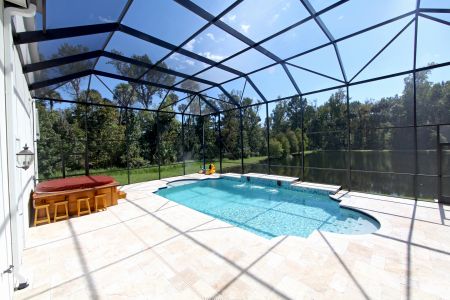
If your screen room or pool cage has taken on a green tint, you are not alone on Long Beach Island. Our coastal air carries salt, moisture, and seasonal pollen that settle into the mesh and frame. Over time, algae and mildew take hold, leaving stains that spread and dull the view. The good news is that professional screen enclosure cleaning restores clarity while protecting delicate screens and fasteners.
Homes from Barnegat Light to Beach Haven face similar challenges. Ocean breezes, shady sides of the house, and splash-out from pools all add moisture that algae love. With routine care from a local pressure washing team, your enclosure can look bright again and last longer.
What Makes Screens Turn Green On Long Beach Island
On a barrier island, conditions for algae are nearly perfect. Warm summers, high humidity, and salty spray feed growth on textured surfaces like mesh, aluminum rails, and cage hardware. Storms leave behind fine silt and organics that cling to screens. Tree cover adds shade and drops needles or leaves, especially near the pines between Surf City and Ship Bottom.
Algae loves shade and moisture. North and east exposures that see less direct sun stay damp longer after a storm or foggy morning. Pool areas add mist and chlorine residue that can trap airborne dust. Once the first green film appears, it spreads faster because the surface now holds water even better.
Salt spray speeds up corrosion. Salt crystals draw water from the air, keeping frames damp. That dampness darkens caulk lines, stains the mesh at the edges, and can lead to pitting on fasteners. As metals age, small rust marks bleed into the surrounding screen fabric, making the entire enclosure look older than it is.
Why Professional Screen Enclosure Cleaning Works
Cleaning a screen cage is not the same as rinsing a sidewalk. The mesh can stretch, tear, or pop from spline tracks if hit the wrong way. A trained technician uses controlled flow and purpose-made detergents to break the bond between living growth and the tiny fibers of the screen. Low pressure and precise application keep water out of fixtures, ceiling fans, and door closers.
Soft washing removes the green film at the microscopic level. That slows the return of growth, so your enclosure stays clear longer. It also brightens powder-coated frames, tightens the look of corners, and lifts stains from kick-plates and door rails without scarring the finish.
Local Factors Across Long Beach Island Neighborhoods
Every part of LBI brings its own mix of wind and water. Bayside homes near the lagoons in Long Beach Township collect more fine silt and boat exhaust on still days. Oceanfront porches in Harvey Cedars and Loveladies take direct salt spray and fog that keep screens damp before sunrise. Shadier lots under taller pines in Surf City and Ship Bottom trap more pollen in late spring, which feeds green staining by July.
Even a few blocks can make a difference. A home with a south-facing pool cage dries quickly in peak sun, while a north-facing patio off a dune path stays cooler and wet. Knowing these patterns helps set the right cleaning cadence so the enclosure looks fresh through Labor Day and well into shoulder season.
What That Green Film Is Telling You
Green stains are more than a color issue. They are a sign that organic growth has found food, shade, and water on your screen. Left alone, the mesh traps more debris, and the frame collects more salts. That cocktail shortens the life of seals, hinges, and fasteners, and it makes the deck or pavers at the edges feel slick after rain.
Signs Your Screen Enclosure Needs Attention
- A light green haze along the lower panels and door corners that returns after a basic hose rinse
- Darker streaks at the cap rails, spline tracks, and fastener heads
- Sticky or squeaky screen doors as salt and grit work into the hinges
- Musty odors inside the enclosure on still mornings
- Slippery pavers or coping right under the screen walls after storms
Risks Of Using The Wrong Cleaning Method
Do not use high pressure on screens. A wand that is safe for concrete can blow out panels or dent aluminum in seconds. Harsh chemicals can fade powder coat or leave streaks that never even out. And strong upward spray forces water into roof panels and light fixtures where it does not belong.
Improper cleaning also pushes algae spores deeper into the mesh instead of removing them. That is why a screen can look better for a week and then turn patchy again. The right combination of dwell time, gentle rinsing, and even coverage is what delivers a clean that lasts.
Salt air and fog roll in fast on Long Beach Island, especially after wind shifts. A gentle clean that includes the frame, hardware, and spline tracks keeps small corrosion spots from spreading. Choose a method that protects coatings and seals to avoid early repairs.
How Often Should You Clean On LBI
Most waterfront or bayside enclosures benefit from a cleaning one to two times per year. Homes with heavy shade or a wind block may need touch-ups more often through late summer. Properties that face steady south wind often stay cleaner in spring but show salt and pollen build-up by mid-July.
If guests are coming or you are opening the house for the season, build cleaning into the prep list. That way the screen is bright before outdoor furniture returns and before kids and pets add fingerprints and smudges to door panels.
Timing Your Cleaning Around LBI Seasons
- Late Spring: Tackle pine pollen that clings to mesh from Surf City to Ship Bottom.
- Mid to Late Summer: Address algae bloom cycles fed by humidity and warm nights.
- Early Fall: Clear storm residue and salt film after nor’easter season ramps up.
Schedule before summer peaks to stay ahead of growth. A clean screen dries faster, which slows algae and mildew. That is how you keep the view open through the hottest months.
How Professional Cleaning Protects Your Investment
Beyond the fresh look, a proper soft wash protects the little parts you rarely see. Rinsing out spline tracks reduces grit that can saw at the mesh over time. Clearing salts from fastener heads helps coatings hold, and that slows the stains that creep into the surrounding fabric. Bright frames also reflect more light into the enclosure, which keeps things feeling open and airy during long summer evenings.
If you want a deeper overview of methods and benefits, start with a quick read and then explore our dedicated page on screen enclosure cleaning for process details and what to expect during a visit.
Why Choose A Local Pressure Washing Team
Local crews understand island weather and how quickly a clear morning can turn foggy. They also know the extra care needed around pool equipment, grill stations, and sand that works its way into track doors. A neighborly schedule means you can coordinate service between changeovers at your Beach Haven rental or around ferry runs and marina hours if you split time between the island and the mainland.
To find the right fit, look for a team that treats screens, frames, and surrounding pavers as a single system, not separate chores. That approach keeps stains from wicking back onto the mesh and avoids lines where clean and dirty zones meet.
Ready To See Through Your Screens Again?
When the green fades and the view opens up, outdoor time feels better. You notice the bay sparkle, the dune grass sway, and guests stop asking what that film on the panels is. If you want a quick path to a brighter porch or pool area, count on Payne's Pressure Washing to handle the details and the cleanup.
Get started today with our professional screen washing service, or reach out to talk through your home’s exposure and timing. For fast scheduling, call 609-571-8966. You can also learn more about screen enclosure cleaning in Long Beach Island, NJ and other exterior services from our team at Payne's Pressure Washing.
Get Your Property Looking Beautiful Again!
Call Payne's Pressure Washing in Galloway and Surrounding Areas Today!